Strep Throat Natural Support
If you’ve ever had a child wake up with a sudden sore throat, fever, and that “something’s not right” feeling, you’ll know how quickly strep throat can hit.
It’s a common infection, especially in kids, but when it keeps coming back or affects more than one family member, it can start to feel frustrating and overwhelming. Understanding what’s going on underneath it all can make a big difference in how you respond and support recovery.
what is strep throat?
Strep throat is a bacterial infection of the throat caused by Group A Streptococcus. Unlike a typical sore throat from a cold or virus, strep can come on quickly and often feels more intense.
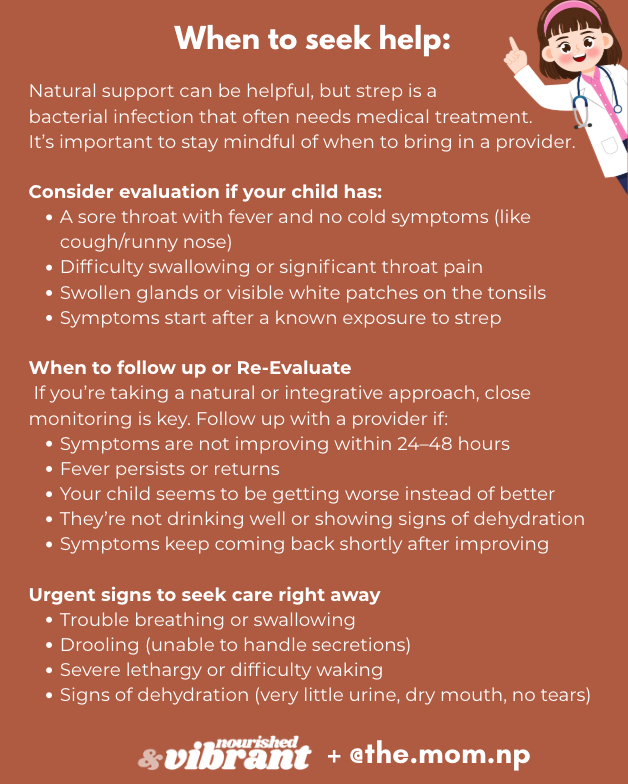
Common signs include:
Sudden sore throat
Pain when swallowing
Fever
Swollen lymph nodes
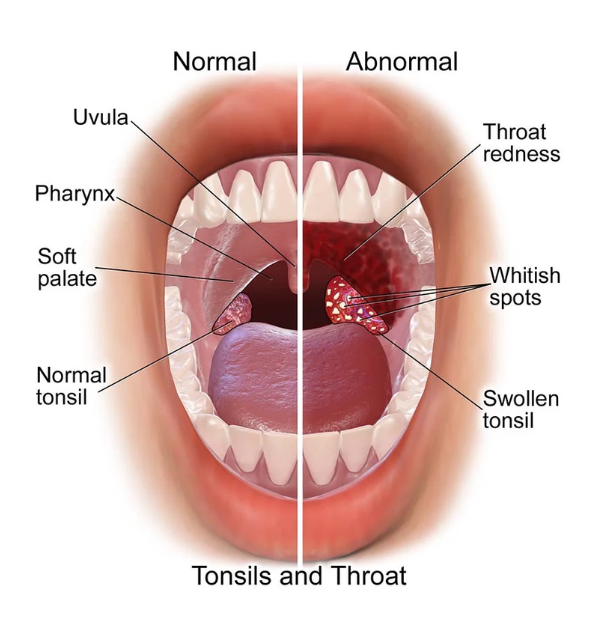
Red, inflamed tonsils (sometimes with white patches)
how do you get strep throat?
Strep throat spreads through respiratory droplets, meaning it passes easily from person to person.
You can catch it by:
Breathing in droplets from coughing or sneezing
Sharing drinks, utensils, or food
Touching contaminated surfaces and then your mouth/nose
It tends to spread more easily in close-contact environments (like homes, schools, and playgroups).
diagnosis and risks
Strep throat is diagnosed with a quick throat swab done in a clinic. This test checks for the presence of Group A Streptococcus bacteria and can give results within minutes (rapid test), sometimes followed by a culture for confirmation.
You can pick up Rapid Strep A Test Throat Swab Testing Kits at pharmacies (or have your pharmacist test).
is strep a bigger risk for kids?
Yes, strep throat is most common in children, especially ages 5–15. Kids are more exposed in group settings like school and tend to spread germs more easily. Their immune systems are still developing, which can make them more susceptible to infections like strep.
why does strep throat keep coming back for some kids?
For some kids, strep isn’t just a one-time illness, it can become recurrent. While repeat exposure plays a role, there are a few deeper factors that may make the body more vulnerable:
biofilms (bacterial “hideouts”)
Certain bacteria, including strep, can form biofilms; a protective layer that helps bacteria stick to tissues (like the tonsils) and evade the immune system. This can make bacteria harder to fully clear, even after treatment.
gut health & microbiome imbalance
A large part of the immune system is connected to the gut. If there’s underlying imbalance (like low beneficial bacteria or chronic gut infections), it can impact how effectively the body responds to pathogens.
immune system depletion
Frequent illness, poor sleep, chronic stress, or nutrient deficiencies can leave the immune system run down, making it easier for infections like strep to take hold again.
airway & oral factors
Things like chronic mouth breathing, enlarged tonsils/adenoids, or oral dysfunction can dry out and irritate the throat, reducing natural defenses and creating an environment where bacteria can thrive.
environmental re-exposure
Reinfection can also happen from close contacts, shared items, or even lingering bacteria on things like toothbrushes.
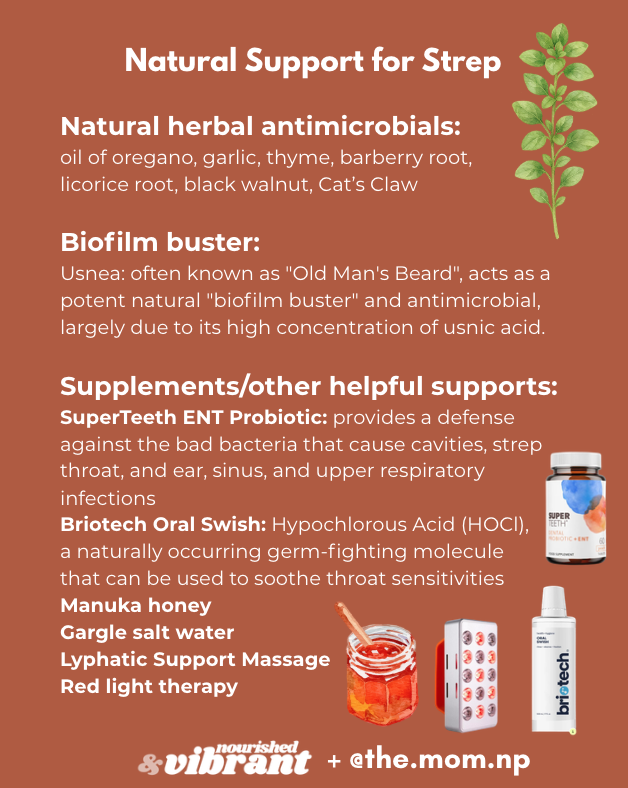
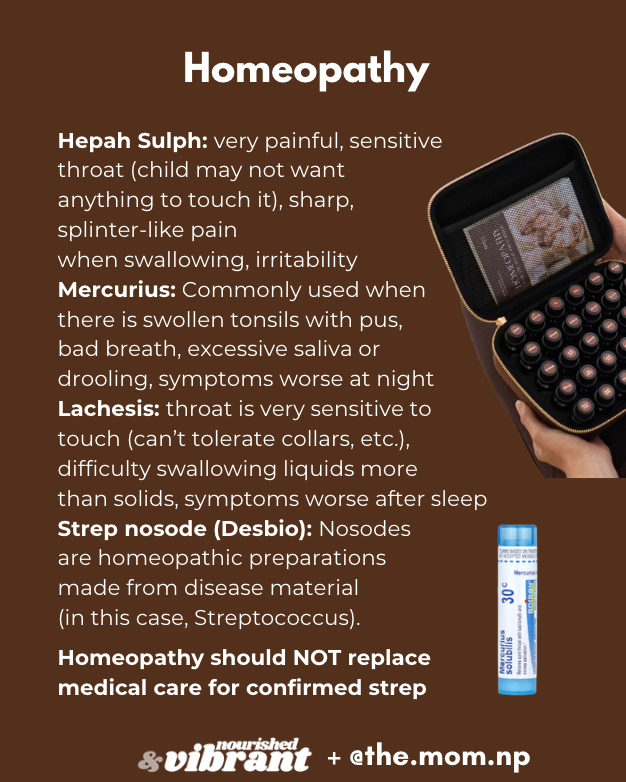
natural support for strep
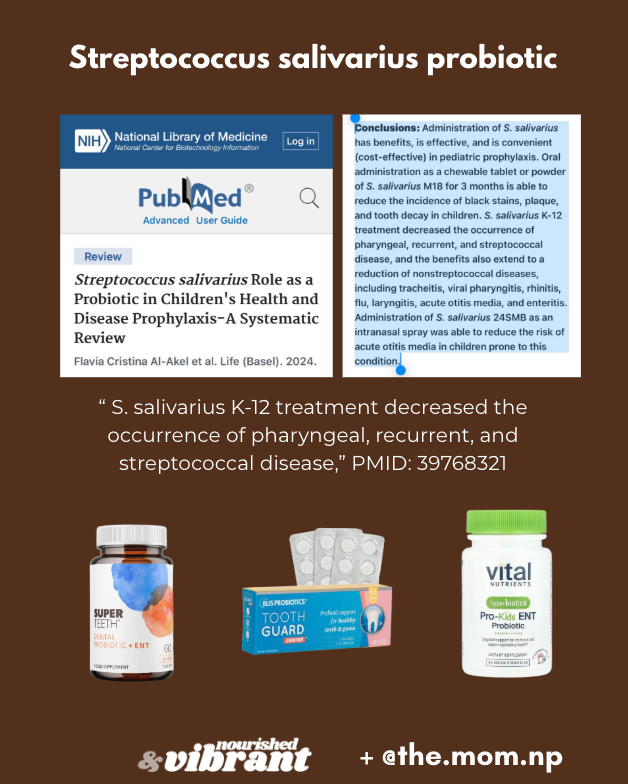
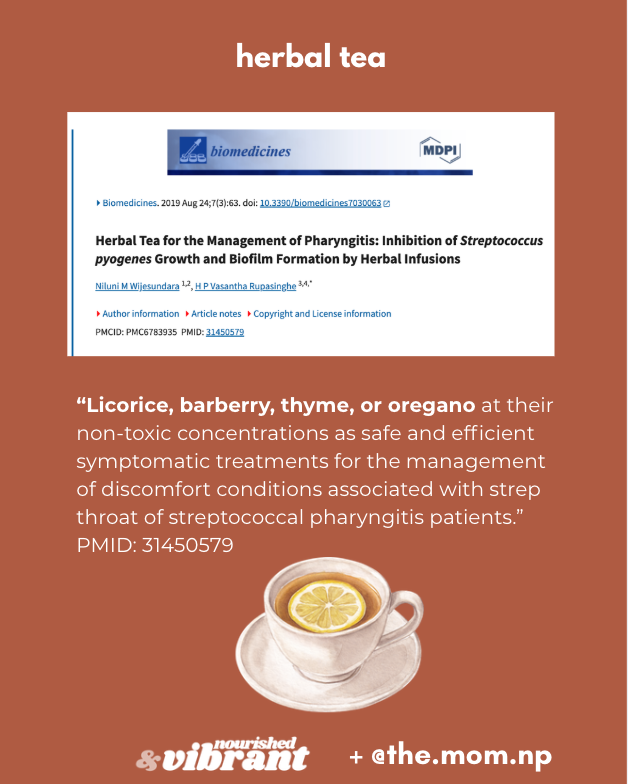
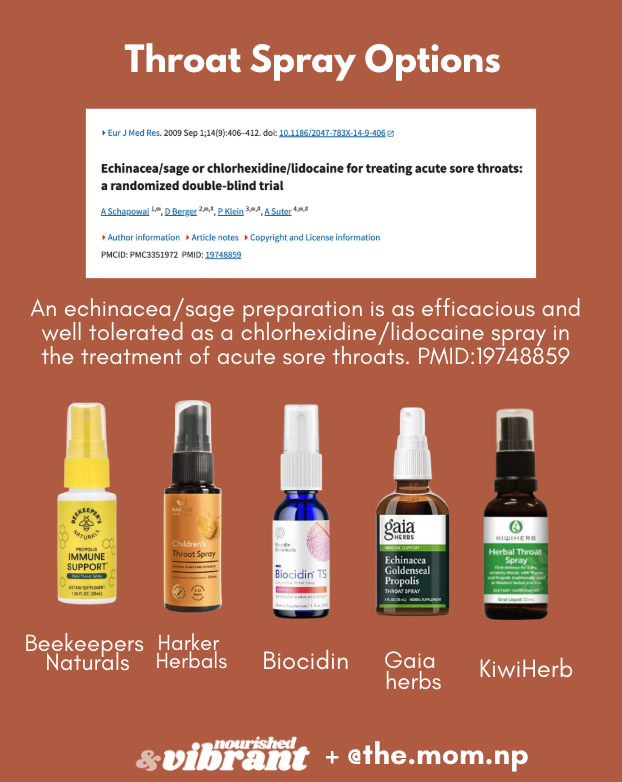
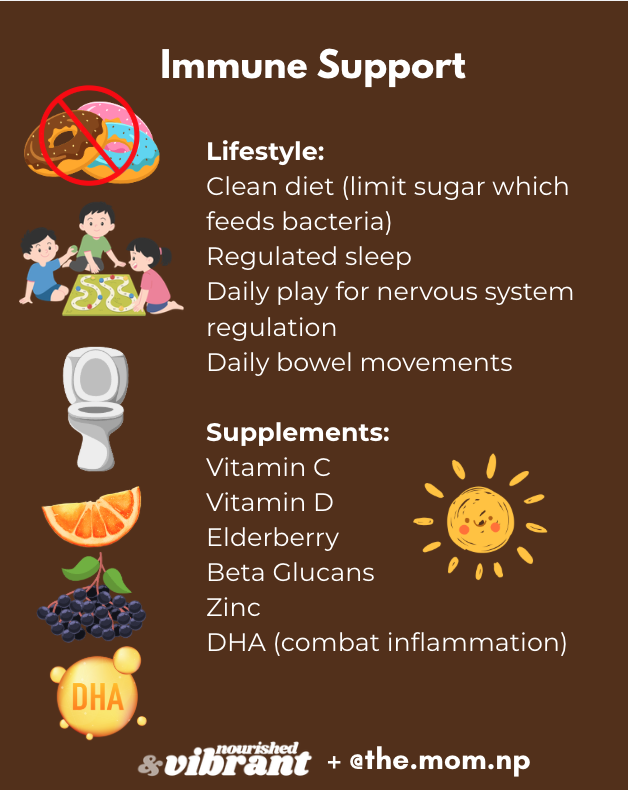
strep and pandas
what is pandas?
PANDAS (Pediatric Autoimmune Neuropsychiatric Disorders Associated with Streptococcal infections) is a condition where a child’s immune system overreacts to a strep infection, leading to sudden changes in mood and behavior. This can show up as things like anxiety, OCD-type behaviors, tics, sleep issues, or emotional dysregulation, often with a rapid onset following illness.
how is pandas diagnosed?
There isn’t a single lab test that confirms PANDAS. Diagnosis is based on a thorough health history, especially a clear pattern of sudden behavioral changes that seem to follow a strep infection. Providers often look at the timing, symptom patterns, and rule out other causes.
how is it managed? (Holistic lens)
Support is individualised, but the goal is to help regulate the immune system so it responds appropriately and doesn’t overreact to triggers like strep.
This may include:
Supporting immune balance and reducing inflammation
Stabilising blood sugar and ensuring adequate nutrition
Replenishing key minerals (like magnesium, zinc, etc.)
Nervous system support (this is a big one for regulation and recovery)
Addressing underlying contributors (gut health, chronic infections, stress load)
Big picture: The focus isn’t just the infection, it’s helping the child’s system feel safe, regulated, and resilient so the immune response becomes more balanced over time.
essential oils
immune + antimicrobial support
Oregano (very potent — think natural antibiotic vibes)
Thyme
Tea Tree
Frankincense
How to use: dilute in carrier oil, apply to soles of feet (safer than throat area, especially for kids), 2–3x daily.
sore throat relief + inflammation
Lavender
Copaiba
Roman Chamomile
How to use: Dilute and apply externally along the neck/jawline
lymphatic + gland support
Lemon
Cypress
Geranium
How to use: Dilute and massage gently down the sides of the neck (lymph drainage direction. Supports the body clearing infection
strep and pandas
what is pandas?
PANDAS (Pediatric Autoimmune Neuropsychiatric Disorders Associated with Streptococcal infections) is a condition where a child’s immune system overreacts to a strep infection, leading to sudden changes in mood and behavior. This can show up as things like anxiety, OCD-type behaviors, tics, sleep issues, or emotional dysregulation, often with a rapid onset following illness.
how is pandas diagnosed?
There isn’t a single lab test that confirms PANDAS. Diagnosis is based on a thorough health history, especially a clear pattern of sudden behavioral changes that seem to follow a strep infection. Providers often look at the timing, symptom patterns, and rule out other causes.
other complications
If untreated, strep can lead to complications, one of the most serious being Rheumatic Heart Disease.
This damage to the heart valves that can develop after Rheumatic Fever (which can occur after untreated strep).
how it happens
Child gets strep throat
Immune system reacts
In some cases, the immune response mistakenly attacks the body
This can affect the heart, joints, skin, and brain
Children (especially ages 5–15) are most at risk of developing rheumatic fever after strep and New Zealand has one of the highest rates of acute rheumatic fever in the developed world. This is in lower socioeconomic areas and directly linked to untreated or under-treated Group A Streptococcal throat infections.
Nervous system support (this is a big one for regulation and recovery)
Addressing underlying contributors (gut health, chronic infections, stress load)
Big picture: The focus isn’t just the infection, it’s helping the child’s system feel safe, regulated, and resilient so the immune response becomes more balanced over time.
minimising spread
Strep spreads easily in households, so a few simple habits can go a long way:
Encourage regular handwashing (especially before eating)
Avoid sharing drinks, utensils, towels, or toothbrushes
Replace toothbrushes after 24–48 hours of treatment
Wash cups, water bottles, and commonly touched items regularly
Keep kids home from school/activities until they’ve been on treatment for at least 24 hours and fever-free
what about “carrier” status?
Some children (and even adults) can be strep carriers, meaning they have Group A Streptococcus present in their throat but don’t show symptoms. These individuals may not get sick themselves but can sometimes contribute to ongoing spread within a family.
In cases of frequent reinfection, it can be helpful to consider whether someone in the household might be a carrier. This is usually explored through history and, if needed, testing guided by a provider.