
How to Minimise Effect from Xrays
Before I studied nursing, I was a qualified radiographer, so I have taken HUNDREDS of X-rays over 6 years.
There are many less-than-credible sources out there trying to convince you that you can “detox” your body from radiation… here’s the truth.
what you need to know
X-rays carry enough energy to remove electrons from atoms. When they pass through the body, they can:
Ionise molecules (including water inside cells)
Create short-lived free radicals
Cause small amounts of DNA damage
So instead of “detoxing radiation” (which isn’t really how physics works), let’s focus on:
Supporting repair
Reducing unnecessary exposure
Optimising resilience and lowering overall body burden
now here’s the good news
Our bodies are designed to handle this. Cells have sophisticated DNA repair systems that fix the vast majority of this damage within hours to days. What we can and should do is support the body’s natural repair processes.
general support for the body after x-rays
Hydrate well
Radiation interacts with water in cells. Staying well hydrated supports normal cellular processes and clearance of metabolic byproducts.
Prioritise antioxidant-rich foods
Colourful fruit and vegetables (berries, leafy greens, citrus, carrots, pumpkin, capsicum, green tea) provide vitamin C, polyphenols and carotenoids that help balance oxidative stress.
Adequate protein
DNA repair requires amino acids. Undereating protein can make repair harder. Focus on whole foods such as eggs, fish, legumes, nuts and seeds.
Sleep
Deep sleep is when much of cellular repair and immune regulation happens.
Reducing exposure
Avoid stacking unnecessary exposures. Ask if imaging is essential (especially for children). Keep copies of previous scans to avoid repeat imaging where possible (particularly dental).
Ask for protection where appropriate
You can ask the radiographer for a lead apron (to shield vital organs in the torso and pelvis) and a thyroid collar, which helps protect the thyroid gland from scatter during procedures.
Reduce background load
Good air quality, filtered water, reduced synthetic fragrance, whole foods, low-tox cleaning products, quality cookware, and thoughtful use of pharmaceuticals all help lower overall oxidative burden—so your body isn’t trying to manage everything at once.
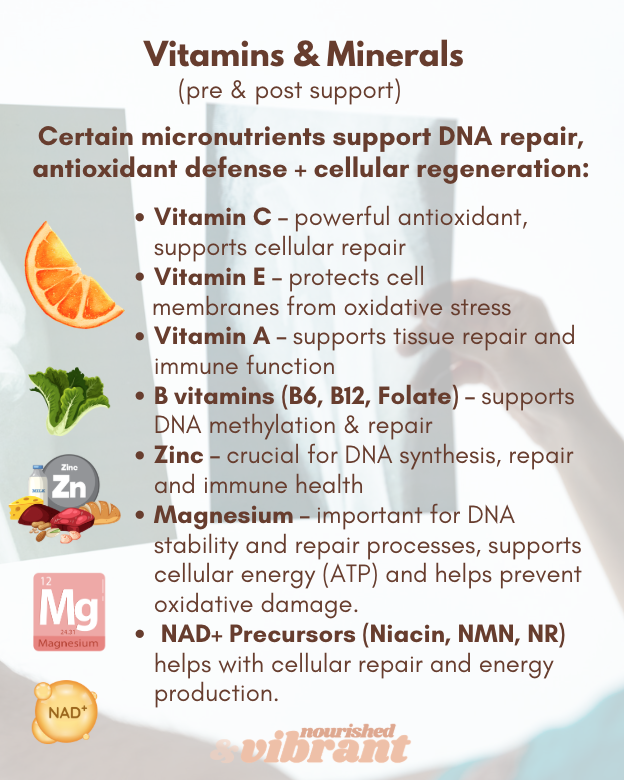
Herbal support
Some gentle evidence based herbs that support antioxidant systems and cellular health:
Milk thistle – supports liver detox pathways
Ashwagandha – adaptogen supporting overall resilience
Turmeric (curcumin) – anti-inflammatory and antioxidant
Green tea – polyphenol support
Use these in teas, cooking, capsules or tinctures as directed.
Rduce oxidative stress & inflammation
Glutathione: the body's master antioxidant, crucial for detox
Resveratrol: protects cells from radiation damage
Omega-3 Fatty Acids: reduces inflammation
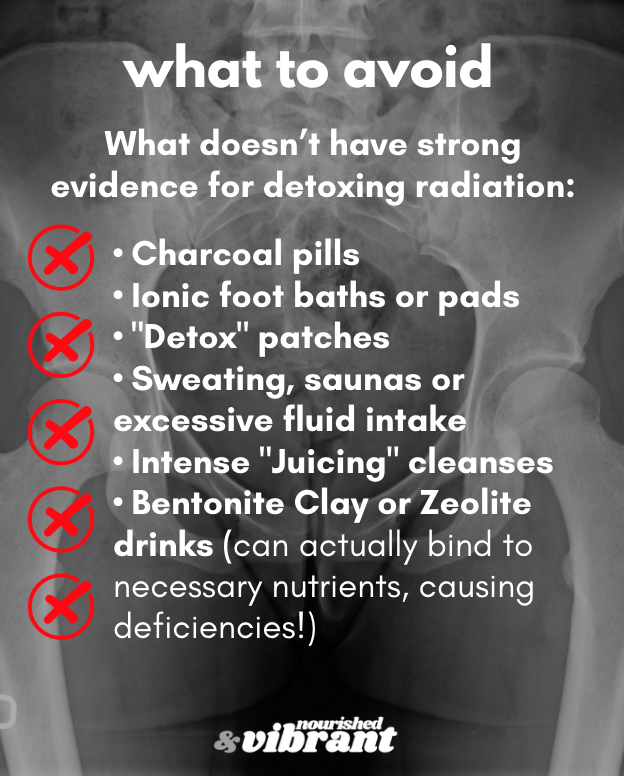
the takeaway
Occassional x-rays are unlikely to cause long-term effects, especially when protection is used. The real risk lies in repeated or prolonged exposure over months or years.
my radiation support protocol
MAGNESIUM: for adults I like Be Pure Wellness Magnesium Restore (nourished15 for 15% off) and for kids Foraged for You oceans magnesium (great for adults too!). I also like the Children's Blend for bioavailable food-based vits + minerals.
OMEGAS: Be Pure Wellness fish oil (third-party tested for purity, freshness & oxidation) - use nourished15 for 15% off.
doTERRA Turmeric Dual capsules.
doTERRA Ice Blue Polyphenol capsules with resveratrol, for inflammation and free radical protection.
Advantage collagen with NAD+.